
How Is Gum Disease Diagnosed—and Why Would You Need a Deep Cleaning Instead of a Regular Cleaning?
Blog:How Is Gum Disease Diagnosed—and Why Would You Need a Deep Cleaning Instead of a Regular Cleaning?
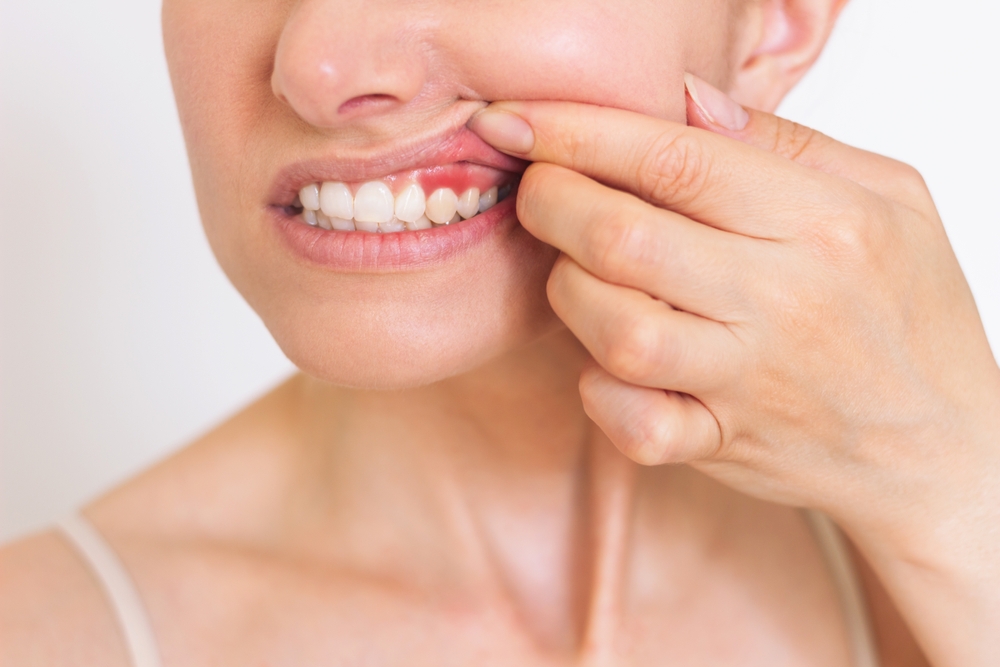
How Is Gum Disease Diagnosed - and Why Would You Need a Deep Cleaning Instead of a Regular Cleaning?
Being told you need a deep cleaning can be surprising, especially if your teeth feel fine. Gum disease does not always cause pain, and the right cleaning depends on what is happening beneath your gumline. At Brilliant Denture & Implant Studio in Placentia, we help you understand your gum health and the reasons behind our recommendations.
How We Check for Gum Disease
Diagnosing gum disease involves more than looking for red or swollen gums. We review your medical and dental history, including factors such as tobacco use and diabetes, and examine the tissues supporting your teeth.
A periodontal evaluation may include:
Measuring the spaces between your teeth and gums with a small instrument called a periodontal probe.
Checking for bleeding, swelling, gum recession, and buildup around the teeth.
Evaluating whether teeth are loose or have lost supporting attachment.
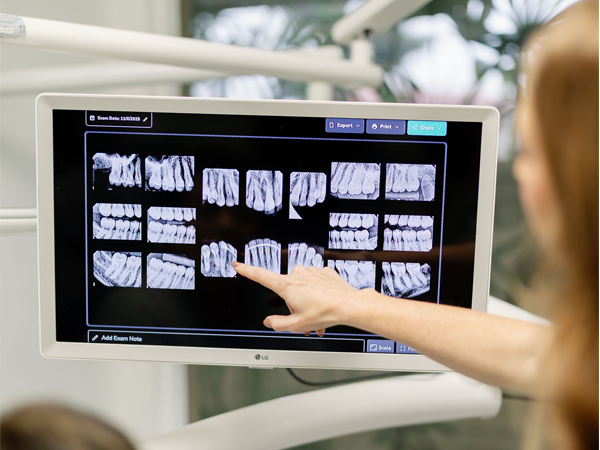
Taking dental X-rays when needed to assess the bone supporting your teeth.
Healthy gum pockets are usually 1 to 3 millimeters deep. Deeper measurements can signal a problem, but pocket depth alone does not determine whether you need a deep cleaning. We consider the findings together to understand the type and extent of disease.
Gingivitis and Periodontitis Require Different Care
Gingivitis is inflammation of the gums without loss of the bone and attachment supporting the teeth. It can often improve with professional cleaning and consistent brushing and cleaning between teeth.
Periodontitis involves damage to those supporting structures. Pockets may deepen, allowing bacteria and tartar to collect below the gumline. For our Placentia patients, identifying this difference helps us recommend care that addresses the condition rather than simply removing visible buildup.
Why a Regular Cleaning May Not Be Enough
A regular dental cleaning helps maintain oral health by removing plaque, tartar, and surface stains. It is generally appropriate when there is no active periodontitis requiring treatment.
A deep cleaning, also called scaling and root planing, treats affected areas beneath the gumline and along the tooth roots. Scaling removes plaque and hardened deposits. Root planing cleans and smooths affected root surfaces to support healing.
When periodontitis is present, a routine cleaning cannot adequately treat the deposits within deeper periodontal pockets. The recommendation for deep cleaning should be based on a diagnosis, not simply how long it has been since your last appointment.
What Happens After a Deep Cleaning?
Treatment may require more than one visit, and local anesthesia may be used for comfort. Temporary tenderness or tooth sensitivity can occur afterward.
Follow-up care includes checking how the gums have healed and measuring the pockets again. Ongoing periodontal maintenance is often needed, with a schedule tailored to your condition. Some patients also need additional treatment or a referral to a periodontist.
At our Placentia office, we explain your findings and help you understand the next steps, including daily care that supports your gum health.
If your gums bleed or you have questions about the cleaning you need, contact Brilliant Denture & Implant Studio in Placentia, CA, by calling (714) 203-1023 to schedule an evaluation.
Quick Links
Helpful Articles
All Dental Services
We offer a wide variety of dental services to the Placentia community. Contact us with any questions about our services.
Keep In Touch
For non-urgent questions or to learn more about our services, contact us today!
Ready to Feel Comfortable Again?

Managed and Designed by 